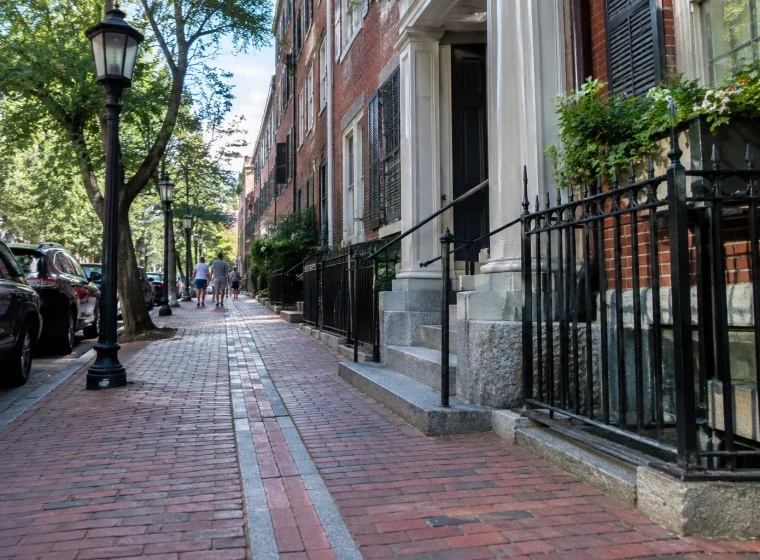
Beacon Hill is often introduced through its brick homes and narrow streets. Those surroundings are only part of the story. The Black Heritage Trail connects places associated with Boston’s nineteenth-century Black community, including the struggle against slavery and for equal rights. Planning a visit around that history gives the neighborhood a more meaningful shape than simply collecting photographs of familiar corners.
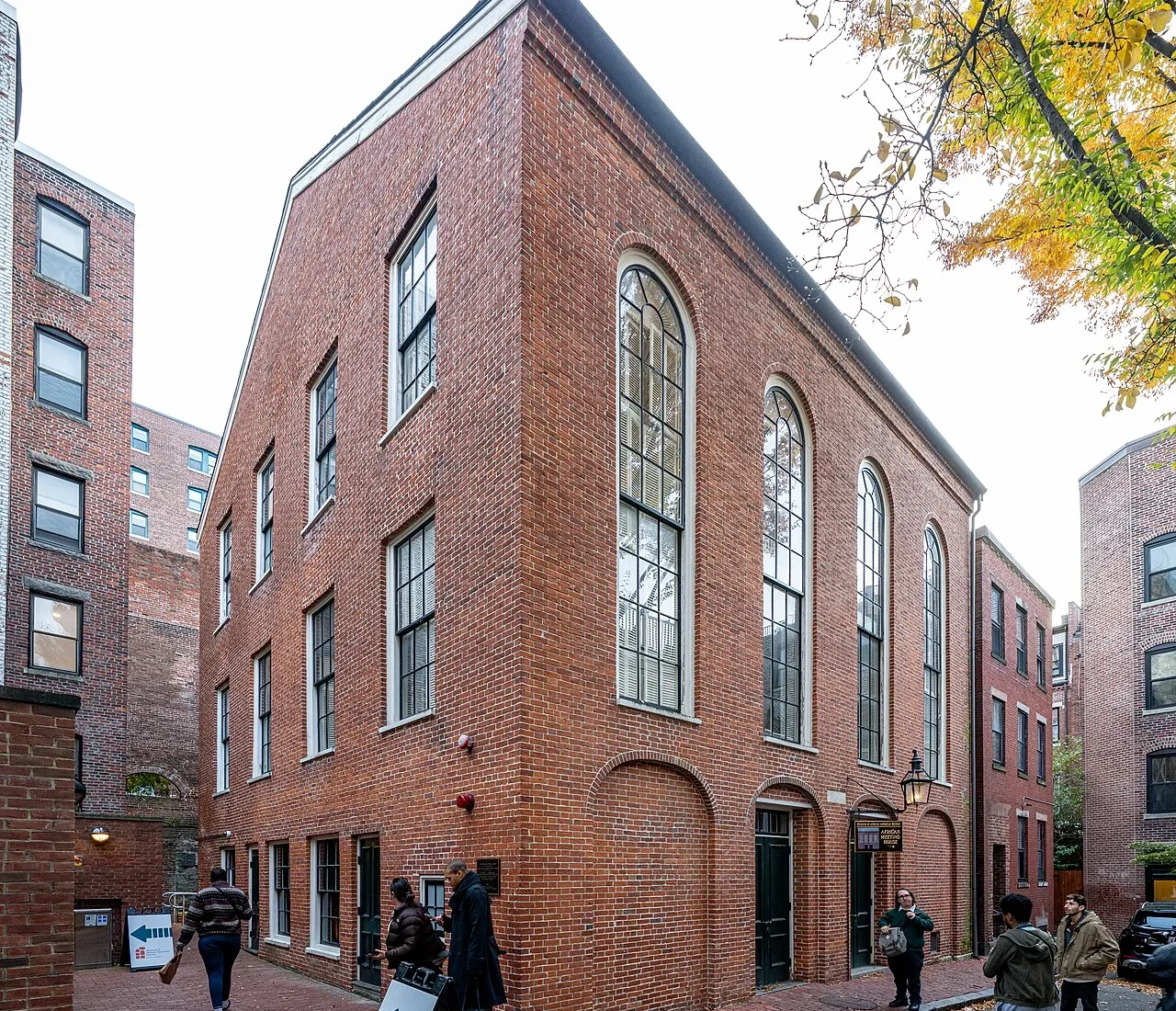
The African Meeting House and Abiel Smith School are important places to begin learning about that community. The National Park Service and Museum of African American History provide interpretation and practical visitor information. Read their current guidance before your visit, especially if you hope to enter a building or join a ranger or museum program. Access, opening arrangements and program availability should always be confirmed directly.

Boston: Underground Railroad History Tour of Beacon Hill
Boston's role in the fight to end legalized slavery is linked by the Black Heritage Trail in historic Beacon Hill. This pedestrian path is best experi...
Give the story its own space
It is tempting to squeeze a historical route between other reservations. A better approach is to choose this as the focus of a morning or afternoon, then add a nearby break. Leave time to read interpretation, listen and consider the people associated with a place. A name on a building or marker is a starting point for understanding, not a complete explanation of that person’s life.
The trail’s themes reach beyond architecture. Community organization, education, abolitionism and resistance to discrimination connect the stops. If you are visiting with children or a mixed-interest group, select a few questions to explore together. How did people organize? What spaces supported a community? How are those histories interpreted today? Those questions can carry the visit more effectively than an attempt to memorize every date.
Plan for a lived-in neighborhood
Many trail locations are private residences and cannot be entered. Stay on public routes, keep doorways clear and follow the current guidance at each stop. Do not treat a residential entrance as a stage for a photograph. A quiet, observant visit respects both the historical significance of the site and the people who use the neighborhood now.
- Review the official route before leaving.
- Confirm which museum spaces are open and whether admission arrangements apply.
- Choose shoes and a route that suit uneven surfaces and slopes.
- Plan an accessible alternative where necessary using the venue’s own access information.
- Keep time for a pause after the visit rather than rushing to another appointment.
Connect the visit without diluting it
Boston Common can offer an outdoor interval nearby. Another cultural stop may fit your day, but avoid combining so many historical narratives that each becomes a quick glance. The Black Heritage Trail and Freedom Trail are distinct routes with different interpretive purposes. One is not a substitute for the other, and a visitor interested in both should allow them appropriate time.
If you choose a guided experience, read its actual itinerary. Check which sites it covers, how much walking is involved, where it begins and ends, and whether any museum admission is included. A product title alone cannot establish those details. Our tour comparison page presents provider information so you can review the relevant terms before booking.
Continue the learning
A neighborhood walk can prompt questions that deserve a longer answer. Museum resources, National Park Service interpretation and books by historians can help you continue after the visit. Keep a note of a person, event or community institution you would like to understand better. That gives your next reading a useful direction without expecting one afternoon to cover all of Boston’s Black history.
Give a place enough time for its people and stories to come into focus.

Boston: Freedom Trail History Small Group Walking Tour
Boston's principal role in launching the American Revolution is linked by the brick-lined Freedom Trail. This world-...

Boston Freedom Trail Walking Tour with Costumed Guide
The Tour of The Freedom Trail by the Histrionic Academy is the best way to see and learn about Boston's inspiring hi...

1 or 2 Day HOP-ON & HOP-OFF Narrated Trolley Tour of Boston
Ride Boston's affordable trolley tour! CityView's silver trolleys take you through the streets of Boston and take in...
For route context and respectful access guidance, start with the National Park Service Black Heritage Trail overview and the Museum of African American History. Then use our neighborhood orientation to make the rest of your day fit around this visit.
Boston: Underground Railroad History Tour of Beacon Hill
Boston's role in the fight to end legalized slavery is linked by the Black Heritage Trail in historic Beacon Hill. This pedestrian path is best experi...
Experiences to explore
 Explore experience ↗
Boston: Underground Railroad History Tour of Beacon Hill
◷ 2 hr 30 min
Boston's role in the fight to end legalized slavery is linked by the Black Heritage Trail in historic Beacon Hill. This pedestrian path
From $35.00 USD
View dates Explore experience ↗
Boston's Food and History: North End, Freedom Trail, Beacon Hill
◷ 5 hr
Uncover Boston’s best-kept secrets on a walking tour that blends history, culture, and flavor. Wander through the iconic North End, tas
See dates for Current pricing
View dates Explore experience ↗
Beacon Hill Boston Walking Tour: History + Fun Photo Tips
◷ 1 hr 30 min
Explore Beacon Hill on a small-group walking tour led by a longtime Boston guide. Walk along brick sidewalks while listening to insight
See dates for Current pricing
View dates