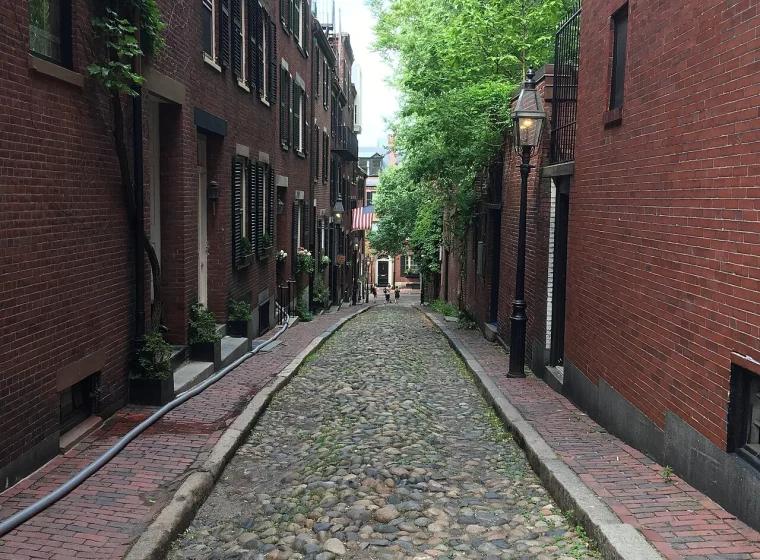

Boston becomes easier to understand when you stop treating it as one long list of sights. The city’s neighborhoods offer different street patterns, histories and rhythms. Downtown can put major visitor landmarks close together, while other districts reward a more focused visit. A useful first step is to choose one area for the morning and another nearby for later, rather than crossing the city repeatedly.
The North End, Beacon Hill and Back Bay are familiar starting points, but they are not a complete portrait of Boston. Dorchester, Roxbury, East Boston and other neighborhoods belong in the wider picture. Each is a place where people live and work. Come with a specific cultural stop, public space or business in mind, and give yourself time to experience the surrounding streets respectfully.

Boston's Historic Electric Bike Tour
Glide through over 400 years of Boston history on Wander Boston's award-winning immersive historic e-bike tour. Lead by an expert guide who will provi...

Historic Boston Hop-On Hop-Off Narrated Trolley Tour
Ride Boston's affordable trolley tour! CityView's silver trolleys take you through the streets of Boston and take in...

Boston: Freedom Trail History Small Group Walking Tour
Boston's principal role in launching the American Revolution is linked by the brick-lined Freedom Trail. This world-...

Boston’s North End Food Tour: Italian Flavors and Heritage Walk
This Boston food tour goes beyond the tourist trail—discover hidden gems, learn fascinating stories, and experienc...
Start with the shape of your day
Choose the place you most want to visit before adding everything around it. A museum reservation, a guided walk or a meal with friends can give the day a clear center. Look at a map and identify the next stop you can reach comfortably. What looks close on a citywide map may involve a hill, busy crossings or a transit connection. Your own walking pace and access needs matter more than an ambitious itinerary.
- For a history-led morning, compare the sites around Downtown and Beacon Hill.
- For a mix of streets, food and waterfront space, look at the North End and the nearby harbor edge.
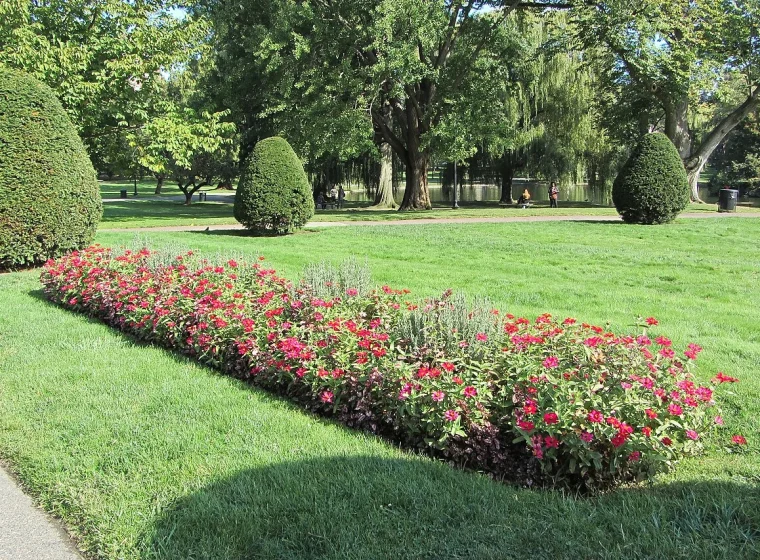
- For a park interval, consider how the Common and Public Garden fit with your other stops.
- For a longer neighborhood visit, choose a named place in Dorchester, Roxbury or East Boston and plan transport around it.
Notice the differences between close neighbors
Beacon Hill’s slopes and brick streets feel different from the broader avenues of Back Bay. The North End’s dense blocks open toward the harbor. The Seaport brings a more contemporary waterfront setting. None needs to compete for the title of the “real” Boston: the interest is in the contrast. Choose places that complement each other, such as a concentrated indoor visit followed by an unhurried outdoor walk.
Across the Charles River, Cambridge is a separate city. Harvard Square and other Cambridge stops can be worthwhile additions to a regional trip, but describe and plan them as Cambridge rather than a Boston neighborhood. The same care helps when comparing accommodation: check the actual location and the journey you will make each day.
Leave space for a neighborhood meal
A meal works best when it belongs to the route you are already taking. Browse a district’s current restaurant information before committing, then confirm opening details and any booking requirements with the business. A famous reputation does not tell you whether a place suits your dietary needs, your group or the amount of time you have. Menus, queues and service arrangements can change.
Boston’s food culture extends beyond a few signature dishes. Neighborhood businesses reflect the city’s many communities. Approach that variety with curiosity and specific context rather than treating people or cultural traditions as scenery. Ask before making a close photograph inside a business, keep entrances clear and avoid assuming that every residential street is a visitor attraction.
Make a flexible short list
- Choose one main visit and confirm its practical requirements.
- Add one nearby outdoor space or street you want to explore.
- Check the route for hills and crossings.
- Keep an indoor alternative for poor weather.
- Find a meal option and a backup nearby.
- Leave the last part of the day open.
If the weather changes or a stop takes longer than expected, shorten the route instead of hurrying through everything. A neighborhood is easier to remember when you have time to notice its storefronts, public art and everyday details. Use our day-planning guide to turn your short list into a workable sequence, or compare Boston tours when you would like a guide to provide context.

Sightseeing Day Sail around Boston Harbor
Choose between either a 1.5 or 2-hour sail around Boston Harbor aboard one of our beautiful schooner Adirondack sail...

Boston Tea Party Ships and Museum Admission
Step back in time and see how the Boston Tea Party changed American history! This Boston museum details the series o...

New England Aquarium Admission Ticket in Boston
Discover thousands of marine animals at the New England Aquarium! Meet green sea turtles and penguins, and watch sea...
Boston's Historic Electric Bike Tour
Glide through over 400 years of Boston history on Wander Boston's award-winning immersive historic e-bike tour. Lead by an expert guide who will provi...
Historic Boston Hop-On Hop-Off Narrated Trolley Tour
Ride Boston's affordable trolley tour! CityView's silver trolleys take you through the streets of Boston and take in...
Boston: Freedom Trail History Small Group Walking Tour
Boston's principal role in launching the American Revolution is linked by the brick-lined Freedom Trail. This world-...
Boston’s North End Food Tour: Italian Flavors and Heritage Walk
This Boston food tour goes beyond the tourist trail—discover hidden gems, learn fascinating stories, and experienc...
For a broader district overview, consult Meet Boston’s neighborhood guide. Check individual venues and the MBTA trip planner for current practical information before setting out.