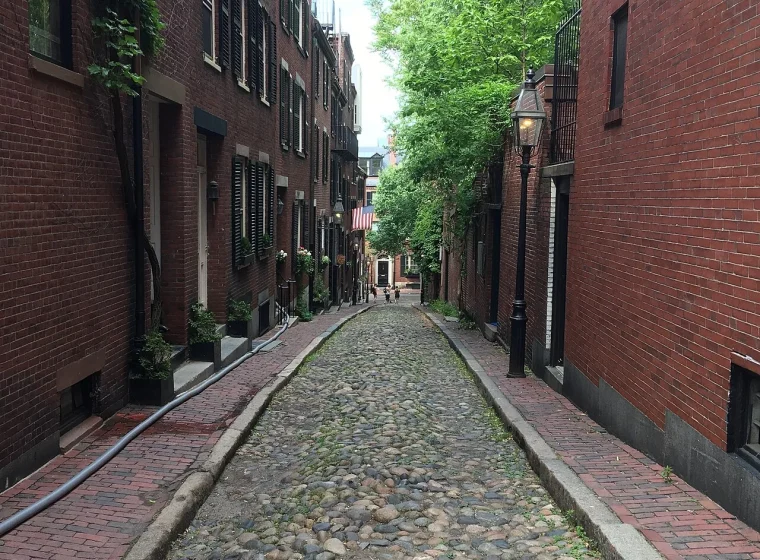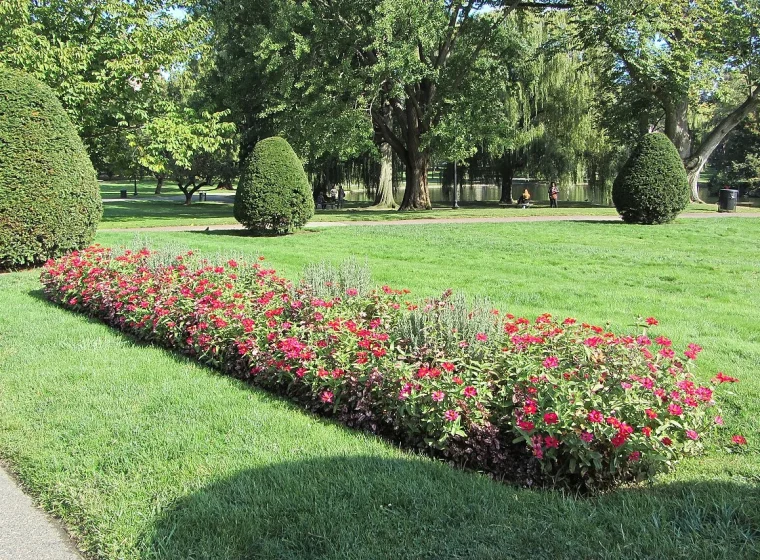
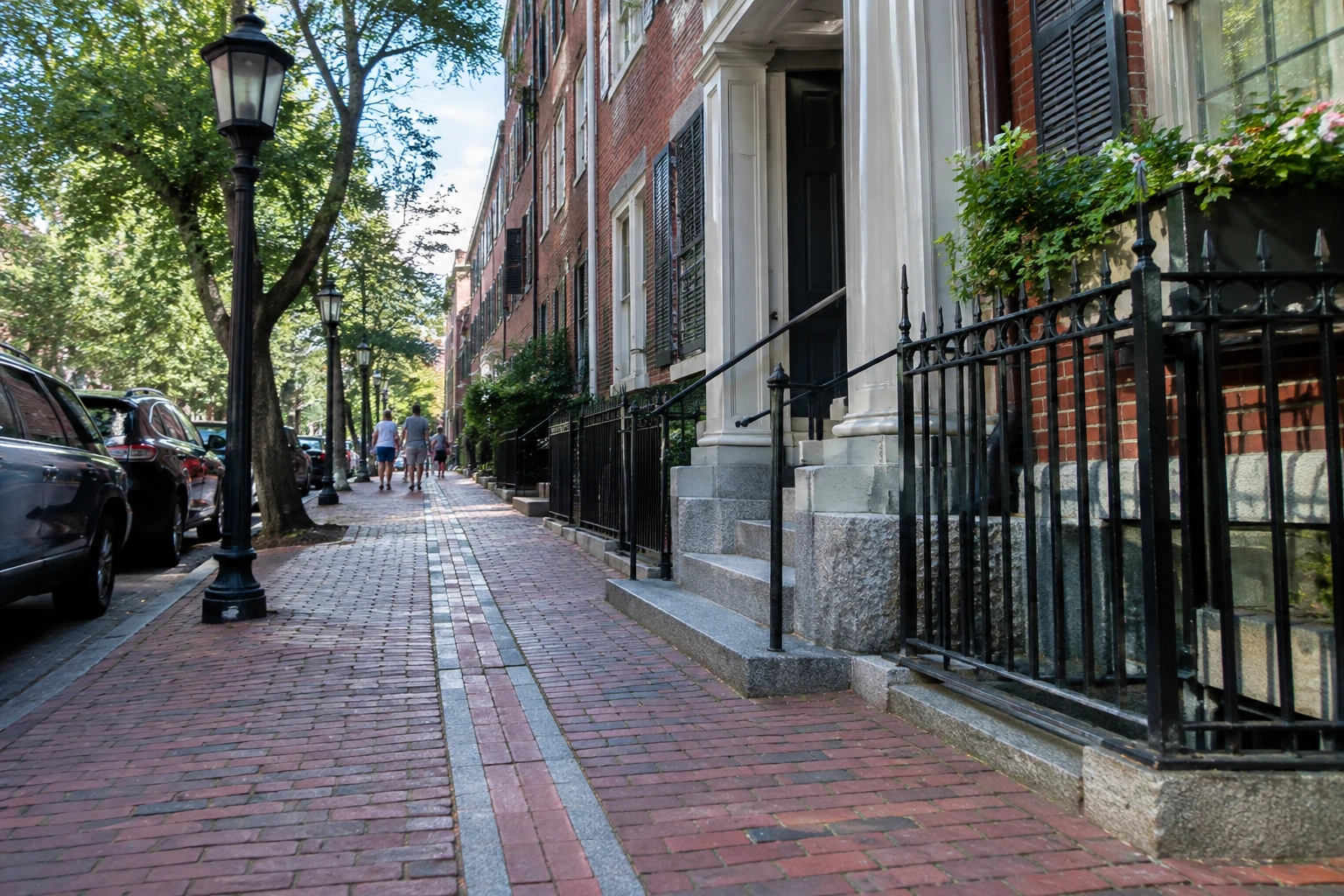
Boston is a rewarding city to explore on foot, especially if you want to connect historic sites with everyday city life. For a first visit, keep the plan simple: choose a convenient base, use public transit when walking distances add up, and give the Freedom Trail enough time to feel like more than a quick march. Boston is compact enough that many visitors can manage without renting a car.
- Plan on walking and public transit for a downtown-focused visit; a rental car often adds more hassle than value.
- Allow about 1.5 hours to walk the 2.5-mile Freedom Trail without stopping, and longer if you enter historic sites.
- Use the free National Park Service audio tour or pick up maps and information at the visitor center in Faneuil Hall.
- Check individual site schedules before building your day around a historic attraction, especially during the NPS visitor center’s off-season.
- Pack comfortable shoes and layers. Boston’s weather shifts substantially by season, and historic sidewalks can be uneven.
Get oriented before choosing your base
For a first trip focused on central Boston, prioritize a base that makes it easy to walk to your plans or reach public transit. Many visitors combine walking with the MBTA, taxis, or rideshare. A car is often unnecessary for a downtown-focused stay, and driving can involve narrow, busy streets, tolls, traffic, and parking costs that vary by location and time.

Boston Hop-On Hop-Off Trolley Tour with 13 Stops
The Boston Hop-on Hop-off Trolley Tour - named one of the best hop-on, hop-off tours in the world by Forbes - is the easiest way to get around town an...

Boston Private Sightseeing Tour with Daily Chauffeur
With an experienced driver, you can charter a private car for 10 hours to visit the highlights of Boston. If you are...

The Full Revolutionary Story Epic Small-Group Boston Walking Tour
This tour goes beyond surface‑level sightseeing and weaves the sites, people, and turning points of Boston’s ico...

Boston Freedom Trail History Tour with Optional Food Tastings
Walk Boston’s Freedom Trail with a local guide who brings the city’s history — and its food scene — to life...
Think about your daily rhythm before settling on a neighborhood: will you return to your room between outings, stay out late, or spend most of your time on foot? A Boston neighborhoods first-visit orientation can help you compare districts, while a guide to where to stay in Boston can help match a home base to your plans. Treat convenience as more than a map distance; an easy transit connection can matter as much as being close to one attraction.
Travel from Logan Airport without defaulting to a rental car
Boston Logan’s free airport shuttle connects the terminals with Airport Station on the MBTA Blue Line and with other airport destinations. Some shuttle routes generally run every five to six minutes, but routes and operating hours vary. Check current airport information for the route that fits your terminal and arrival time, then follow the signs for the airport shuttle.
A car can be useful when your trip extends well beyond downtown, but it is rarely the simplest choice for a city-centered itinerary. Compare the overall convenience of transit, a taxi, or rideshare with the driving and parking involved at your destination. If you do rent a car, account for the possibility of tolls, congested streets, and parking charges that change with place and demand.
Make the Freedom Trail the anchor of your first visit
The Freedom Trail is a 2.5-mile outdoor route connecting historic sites. Walking the trail without stopping takes about 1.5 hours, according to the National Park Service. That estimate is a walking time, not a full sightseeing schedule: entering sites can add roughly 20 to 40 minutes per stop, and a thorough visit can take much longer.
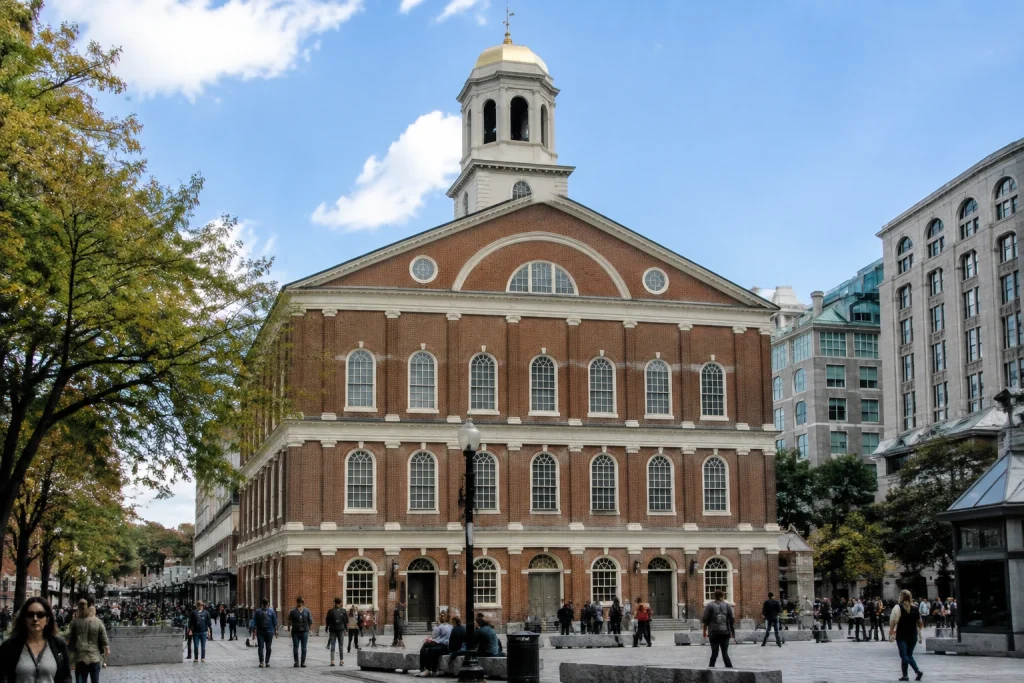
You can walk the trail year-round, and both the trail and the NPS audio tour are free. Some historic sites along the route charge admission, while NPS-owned sites are free. The audio tour gives you a self-guided way to add context as you walk, with Spanish and French versions also available. If you want maps or visitor information, the NPS visitor center at Faneuil Hall serves the Freedom Trail and Black Heritage Trail.
The best approach is to decide what kind of visit you want before setting your pace. A walk-through gives you a feel for the route and its historic setting. A stop-and-enter day takes longer, so choose the sites that matter most to you and check their schedules in advance. Opening times vary by site and can change by season; the trail itself remains outdoors and open year-round.
Build a manageable first-day plan
Start with one clear priority rather than trying to fit every landmark into a single day. If the Freedom Trail is the main event, decide whether you want to walk the full route or spend more time at selected sites. The trail’s basic walking time is relatively short, but visits inside historic places can quickly turn a brisk outing into a full day.
- Check the operating schedules of any historic sites you especially want to enter.
- Use the Faneuil Hall visitor center for Freedom Trail or Black Heritage Trail maps and information if it fits your plan.
- Choose a walking pace that leaves time for stops, food, and a break rather than treating the route as a timed challenge.
- Use transit, a taxi, or rideshare when you want to reduce the amount of walking between plans.
For a tighter itinerary, see how to plan one good day in Boston and decide which experiences deserve your limited time. Even with a well-planned route, leave some flexibility for seasonal schedules and the real pace of walking on city sidewalks. A first visit feels more satisfying when you have time to notice the buildings and streets around you, not just move between checklists.

Historic Boston HOP-ON/HOP-OFF Narrated Trolley Tour
Ride Boston's affordable trolley tour! CityView's silver trolleys take you through the streets of Boston and take in...

Boston Duck Boat Sightseeing City Tour with Cruise
Water is no barrier for a duck, why should it be for you? A Boston Duck Tour is a wonderful way to get a great look...

Boston City Highlights Tour with Harbor Cruise
Step back in time and explore the heart of Boston on this guided small-group walking tour, where history comes alive...
Choose your season, then dress for the day
Boston has four distinct seasons, so the same walking plan can feel different across the year. Winter can bring snow and icy conditions. Summer can be warm and humid, while spring and fall can shift between warm and chilly weather. Comfortable walking shoes and layers are useful in any season, and checking the forecast close to your trip helps you choose what to carry.
Schedules deserve particular attention outside the peak visitor season. The NPS identifies October 13 through May 28 as the off-season period for its Faneuil Hall visitor center. Visitor-center and individual-site schedules differ, and partner attractions can follow their own seasonal hours. Check the schedule for the specific place you hope to visit before organizing your day around it.
If weather turns icy or wet, adjust the amount of walking rather than forcing the original plan. Uneven pavement and slippery surfaces can make a historic route more tiring in poor conditions. A flexible day, with transit or a ride available when you need it, is more comfortable than relying on a long outdoor walk in every kind of weather.
Plan for uneven sidewalks and site-specific access
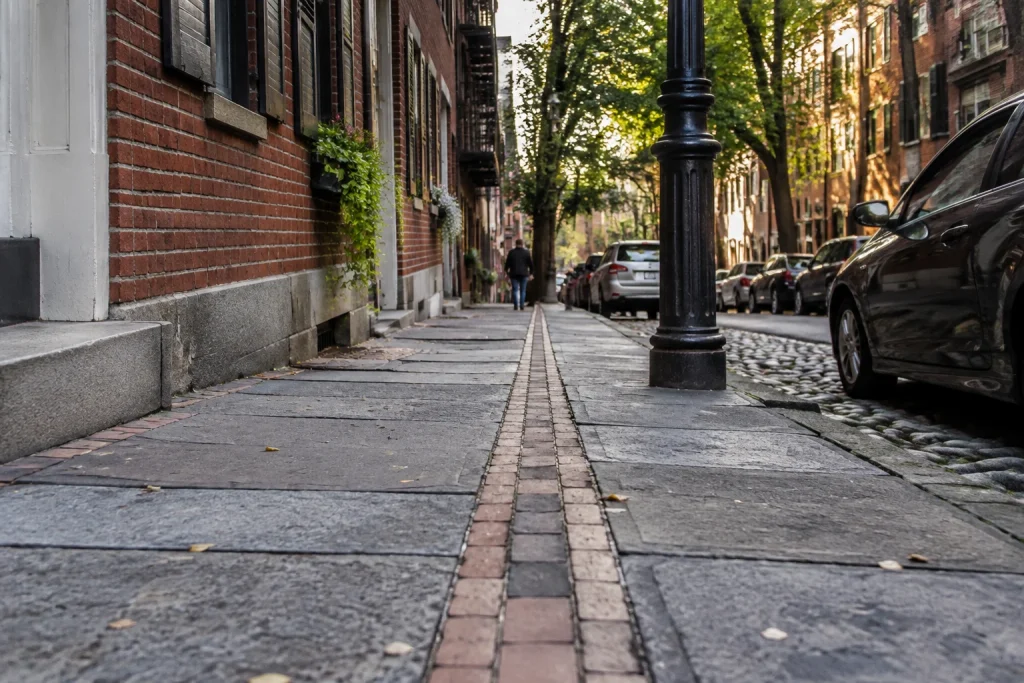
Accessibility along the Freedom Trail depends on the route section and the site you plan to enter. Historic sidewalks can be uneven and sometimes narrow, and some sections or partner attractions have stairs. The NPS lists alternate routes for certain stair sections, but access is not identical at every location. Check the details for individual attractions when planning a route around mobility needs.
At Logan, accessible facilities include elevators and accessible restrooms. Passengers who need wheelchair assistance should arrange it with their airline. If you are traveling with mobility equipment or have other access requirements, build time for airport and city transfers into your plans, and check the details that apply to each stop rather than assuming every historic site offers the same access.
Keep the trip budget flexible
A self-guided walk of the Freedom Trail is free, as is the NPS audio tour. Entry to some historic sites costs extra, while NPS-owned sites are free. Decide which interiors matter most to you, then check the admission details and schedules for those places before you go. That makes it easier to balance a free outdoor walk with any paid stops you choose.
Keep transportation costs flexible, too. Parking prices vary, and the cost of driving includes more than the rental itself if your route involves tolls or paid parking. The best transport mix depends on where you stay and what you plan to do. Check current MBTA fares before travel rather than relying on an old fare figure, and compare the route options that work for your day.
A few simple choices make Boston easier
Bring shoes that can handle several hours on city sidewalks, and carry a layer you can add or remove as conditions change. If your day includes the Freedom Trail, leave room for pauses and check the opening hours of any site you want to enter. Download or access the NPS audio tour if you want a self-guided companion, and use transit or a ride when another long walk no longer makes sense.
Boston rewards a first visit planned around a few strong priorities rather than an overfilled schedule. Pick a convenient base, walk the historic route at a pace that suits you, and let transit handle the stretches that would otherwise wear you down. If history and city walking are your main interests, the Freedom Trail is a useful centerpiece; just leave time for the sites you most want to explore and check their schedules before setting out.
Frequently asked questions
How long does it take to walk the Freedom Trail?
Walking the 2.5-mile Freedom Trail without stopping takes about 1.5 hours. Entering historic sites can add roughly 20 to 40 minutes per stop, and a detailed visit can take much longer.
Is the Freedom Trail free?
Walking the route and using the NPS audio tour are free. Some historic sites charge admission, while NPS-owned sites are free.
Do I need a car to visit Boston?
Many visitors exploring downtown combine walking with public transit, taxis, or rideshare, so a rental car is often unnecessary. Driving can involve busy, narrow streets, tolls, traffic, and variable parking costs.
How do I get from Logan Airport to public transit?
Logan’s free airport shuttle connects terminals with Airport Station on the MBTA Blue Line and other airport destinations. Shuttle routes and hours vary, so check current airport information for your arrival.
Is the Freedom Trail accessible for wheelchair users?
Accessibility varies by route section and attraction. Some sidewalks are uneven or narrow, and some sections and partner sites have stairs; the NPS lists alternate routes for certain stair sections.
What should I wear for a first visit to Boston?
Wear comfortable walking shoes and bring layers. Winter can bring snow and ice, summer can be warm and humid, and spring and fall temperatures can shift between warm and chilly.
Boston Private Sightseeing Tour with Daily Chauffeur
With an experienced driver, you can charter a private car for 10 hours to visit the highlights of Boston. If you are not satisfied with the fixed rout...

Boston Sightseeing Single Ride Pass With Double Decker Tour Bus
Embark on an unforgettable journey through the heart of historic Boston with a single ride pass. As the premier doub...

Boston Hop-On Hop-Off All Day Sightseeing Tour
Experience Boston like never before with Boston Sightseeing, where our double-decker open-top buses offer unparallel...

Boston Harbor Sightseeing Cruise
Cruise around Boston Harbor on classic 1920s-style Yacht Northern Lights. Relax in the indoor grand salon area or ve...
Experiences to explore
 Explore experience ↗
Boston: Freedom Trail History Small Group Walking Tour
◷ 2 hr 30 min
Boston's principal role in launching the American Revolution is linked by the brick-lined Freedom Trail. This world-famous pedestrian p
From $39.00 USD
View dates Explore experience ↗
Boston Freedom Trail Walking Tour | Small Group
◷ 1 hr 30 min
Explore Boston on a small-group walking tour along the iconic Freedom Trail, where the events leading up to the American Revolution com
From $45.00 USD
View dates Explore experience ↗
First Class Private Airport Transfer from Boston Logan
◷ 1 min–30 min
Upgrade your airport transfer to a luxury experience with Boston’s elite black car service. Perfect for executives, families, and VIP t
See dates for Current pricing
View dates