Three days in Boston gives you enough time to follow the city’s revolutionary-era story without treating every historic stop as a race against the clock. Use the Freedom Trail as your framework for the first two days, then protect the third for a slower neighborhood wander, a missed interior, or weather-proof flexibility. The route links 16 sites over 2.5 miles through Downtown, the North End, and Charlestown, but its short mileage can be misleading once museums, monuments, and meal breaks enter the picture.
- Split the Freedom Trail over two days instead of rushing all 16 sites at once.
- Start downtown at Boston Common, then continue through the North End and Charlestown on day two.
- Keep day three flexible for neighborhoods, parks, waterfront time, repeat visits, or weather changes.
- Plan to travel car-free in the historic core, where parking can be challenging.
- Check current schedules for individual historic interiors, the USS Constitution, monument climbs, and tours before setting out.
Day 1: Begin in Boston Common and explore the downtown Freedom Trail
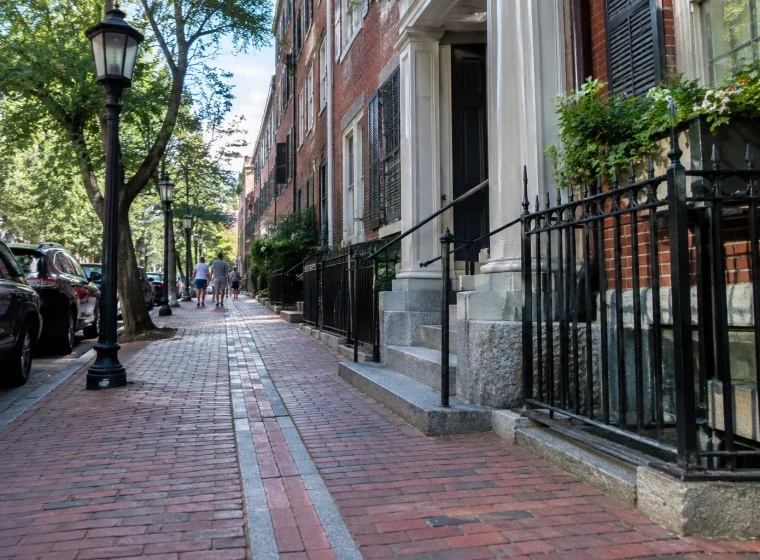
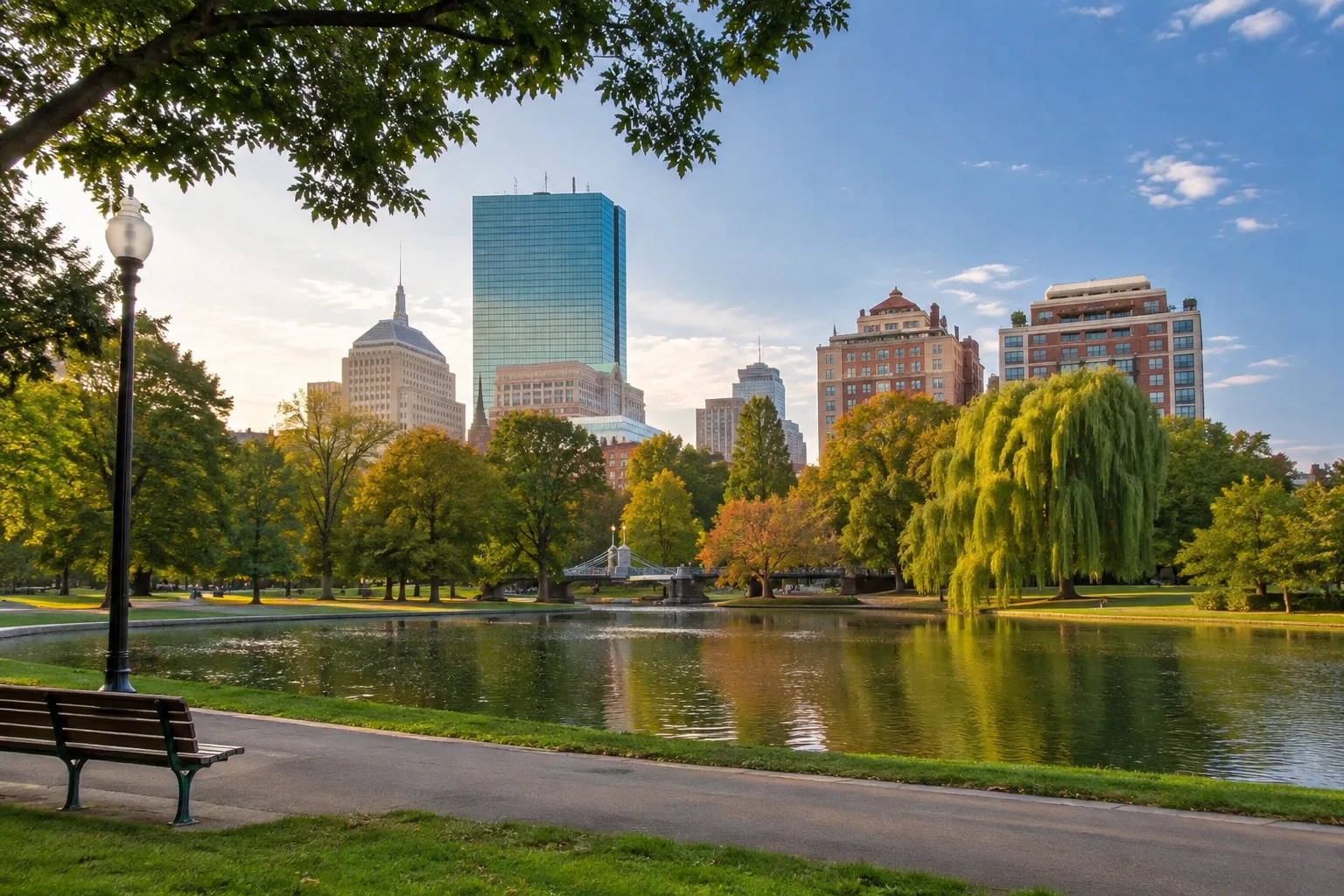
Begin at the Boston Common Visitor Information Center at 139 Tremont Street, the recommended starting point for the Freedom Trail. Spend this first day around Boston Common, Beacon Hill, and Downtown Boston, following the early portion of the route at a comfortable pace. The trail can be visited in any order, so this plan leaves room to step inside the historic places that interest you most instead of treating every marker as mandatory.

Boston Hop-On Hop-Off Trolley Tour with 13 Stops
The Boston Hop-on Hop-off Trolley Tour - named one of the best hop-on, hop-off tours in the world by Forbes - is the easiest way to get around town an...

Boston North End Food Tour with Authentic Local Flavors & Dishes
Discover Boston’s famous North End, where Italian tradition meets New England seafood, on our Secret Food Tour. Ov...

The Full Revolutionary Story Epic Small-Group Boston Walking Tour
This tour goes beyond surface‑level sightseeing and weaves the sites, people, and turning points of Boston’s ico...

A Taste of the Freedom Trail: Iconic Boston Food & History Tour
Experience Boston's iconic Freedom Trail through its most legendary dishes. Savor generous tastings of New England...
The Freedom Trail takes about 1.5 hours to walk end to end with no stops, but that estimate does not include exhibits, guided tours, security checks, photos, or a meal. Allow an additional 20 to 40 minutes for each place you choose to visit properly. By spreading the route over two days, you can linger at the historic sites that hold your attention and still have a manageable walking day.
Shape the first day around your interests
A good first-day rhythm is simple: start in Boston Common, make time for Beacon Hill and the downtown sites, then finish near Faneuil Hall if your pace allows. Faneuil Hall is part of Boston National Historical Park, which has no entrance fee or pass requirement. Some historic interiors and guided Freedom Trail experiences do charge separately, so choose paid stops deliberately rather than trying to buy access everywhere.
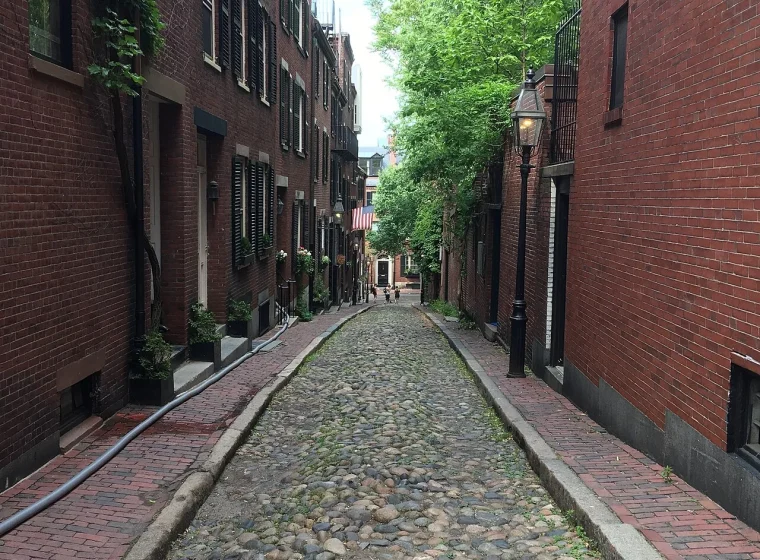
Beacon Hill deserves more than a quick photo stop. Travelers interested in the area’s deeper story can build in time for Beacon Hill beyond the postcard, with attention to Black history as well as its familiar streetscapes. Keep this part of the day loose. The practical benefit of a three-day itinerary is having permission to pause rather than cutting short a compelling place to meet an artificial checklist.
Use the late afternoon to reset at your hotel, return to a downtown site that fits your interests, or simply enjoy an unhurried dinner before the North End and Charlestown portion tomorrow. Choosing where to stay in Boston matters here: a central base reduces backtracking and makes it easier to change plans when a museum, tour, or monument schedule shifts.
Day 2: Walk the North End, Charlestown Navy Yard, and Bunker Hill
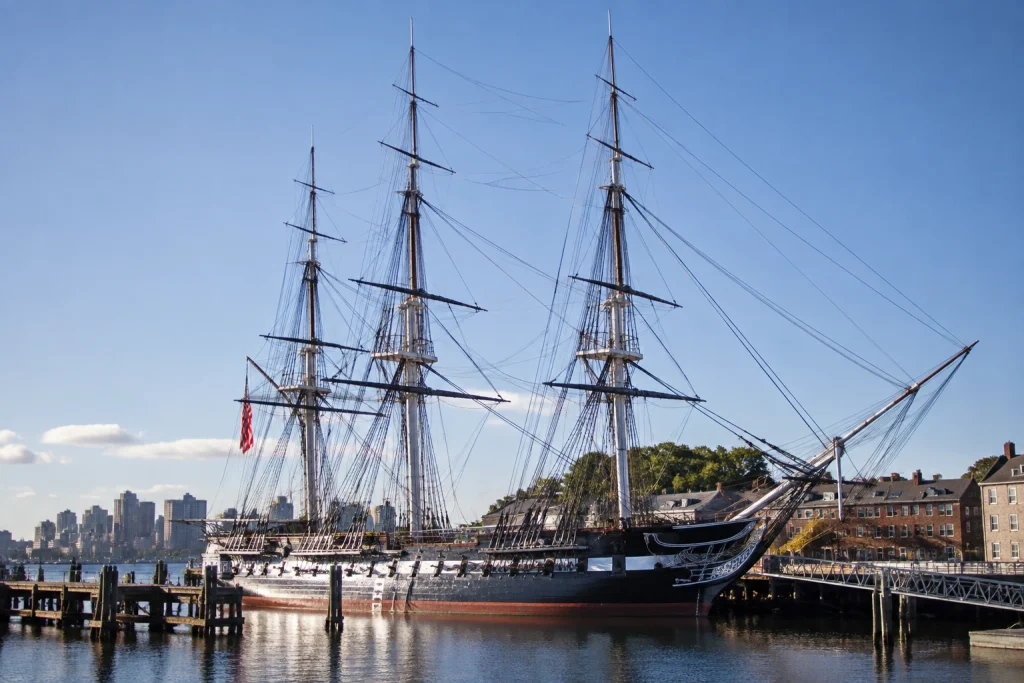
Make day two the historic heart of your Boston visit. The later Freedom Trail sites take you through the North End and onward to Charlestown, pairing compact city streets with the waterfront setting of the Charlestown Navy Yard. Start early, especially if the USS Constitution or other Navy Yard interiors are on your list, because seasonal schedules can make this portion of the itinerary less forgiving later in the day.
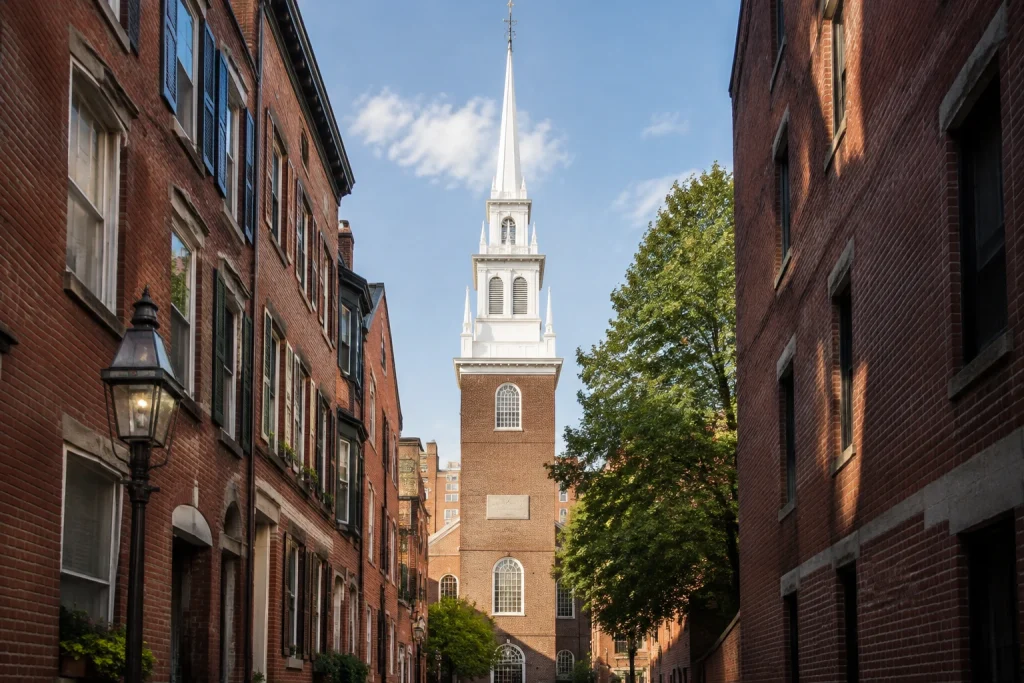
The North End section includes the Paul Revere House, Old North Church, and Copp’s Hill Burying Ground. Treat it as a walking sequence rather than a sprint. These sites are close enough to combine, but each stop changes the tempo, and historic interiors or ticketed visits take longer than an exterior look. Select your priorities before leaving your accommodation so the day retains its sense of discovery.
Continue to the Navy Yard before climbing Bunker Hill
Continue to the Charlestown Navy Yard for the USS Constitution and its museum, then allow another 10 to 15 minutes on the Freedom Trail to reach Bunker Hill. The USS Constitution Museum uses admission by donation, while Boston National Historical Park has no entrance fee for the ship and several major park sites. Adults boarding USS Constitution can be asked for valid federal- or state-issued photo identification, so carry it with you.
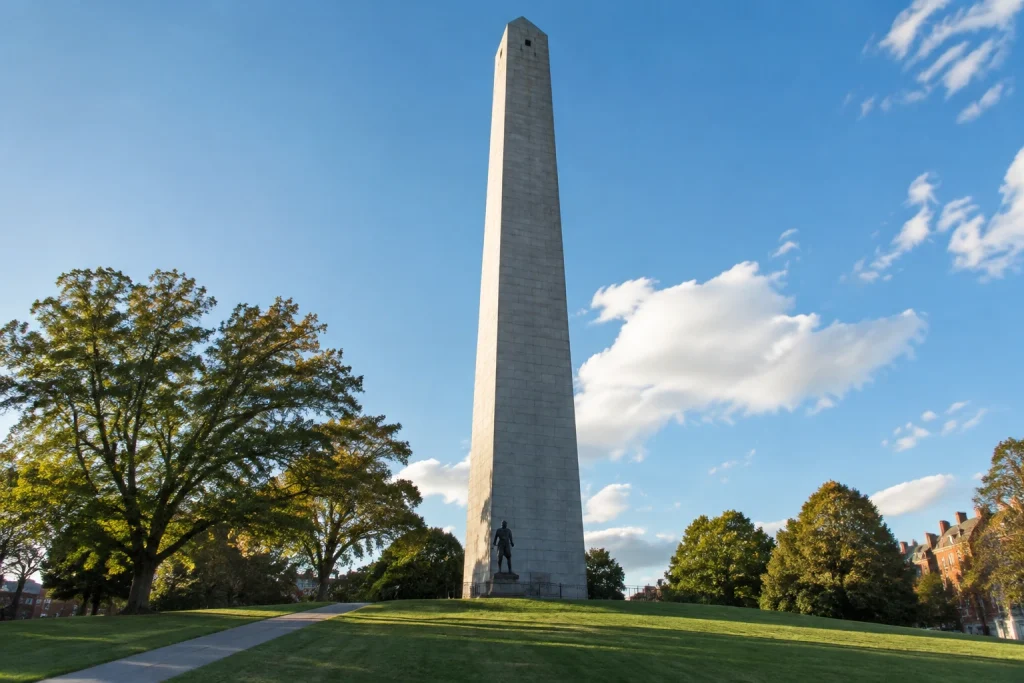
If you plan to climb Bunker Hill Monument, make it a purposeful stop. The monument has 294 spiral-stair steps, and the climb can close for weather or safety reasons. Capacity is limited to 25 people at a time. Visitors who skip the climb can use the live-view kiosks in Bunker Hill Lodge for an alternative view of the monument experience.
Restroom planning is more useful than it sounds on this long walking day. Restrooms are available at Faneuil Hall, the Charlestown Navy Yard Visitor Center, and Bunker Hill Museum. At several other historic sites, restroom access requires a ticket, so use the reliable stops when you pass them rather than waiting until the end of the route.
Day 3: Keep room for neighborhoods, waterfront, and missed favorites
Your third day is the release valve that makes the first two enjoyable. Reserve it for historic interiors you skipped, a repeat visit to the place that stayed with you, a guided tour, or a slower look at a neighborhood beyond the Freedom Trail. This approach is far more satisfying than forcing all 16 trail sites into one overstuffed day.
Give your Boston day some breathing room with parks and waterfront time, especially after two history-heavy days on foot. Use the hours for a lingering coffee, a relaxed stroll, or a change of scenery near the water. The exact plan can follow your interests and the forecast, which is precisely why this day should remain flexible.
- Choose a missed Freedom Trail interior or guided experience if history is your main reason for visiting.
- Spend the day exploring one neighborhood in more depth if you prefer a less scheduled pace.
- Use the day as a weather contingency if rain, a closure, or a late arrival disrupted the first two days.
- Keep time open for a return to Boston Common, Downtown, the North End, or Charlestown without a strict route to follow.
A three-day plan also works well for travelers arriving with only two fully usable sightseeing days. In that case, protect the downtown and North End-Charlestown split, then borrow the most appealing piece of day three. For a compressed alternative, see how to plan one good day in Boston, then use its focused approach to decide what deserves priority.
Have a question about this guide?
Ask for tour ideas, hotel suggestions, or a simple trip plan that combines both.
Trip Helper
Getting around Boston without a car
For this itinerary, walk and public transportation are the practical combination. Boston’s historic core is compact enough for the Freedom Trail, while parking can be challenging. A car adds little value downtown and creates another timing problem on days already shaped by museum schedules, walking distances, and possible queues.
From Logan Airport, the Silver Line provides free service from the terminals to South Station, with connections to the Red Line and commuter rail services. The Blue Line is reached by the airport’s free on-airport shuttle from the terminals to Airport Station. These shuttles have low floors, luggage racks, and wheelchair lifts, which makes the transfer more workable for travelers arriving with bags.
If you must drive to Charlestown, Nautica Parking Garage is an option. Validation is available at the Charlestown Navy Yard Visitor Center and USS Constitution Museum. For everything else in this itinerary, leave the car parked and let the route unfold on foot. Check current transit fare options before travel rather than building your budget around an outdated number.
Budget, schedules, and booking priorities
Boston can be a comparatively flexible city for a history-focused itinerary. Boston National Historical Park has no entrance fee or pass requirement, including Faneuil Hall, Bunker Hill Monument and Museum, USS Constitution, and Dorchester Heights. The USS Constitution Museum is admission by donation. Set aside additional funds only for the individual historic-site admissions and guided Freedom Trail tours you decide are worthwhile.
The main planning task is not buying one all-purpose ticket. It is choosing where you want to spend time. A guide can add historical context, while independent walkers can move at their own pace and focus on selected interiors. Review what is included before booking any tour, since admissions and itinerary details differ by operator and ticket type.
Confirm the schedule for every building, ship, guided tour, and monument climb you consider essential. Charlestown Navy Yard and USS Constitution hours vary by season and day, while Bunker Hill Monument climbs can close for weather or safety. Put time-sensitive stops early in the day, then use the rest of the itinerary for outdoor walking and flexible neighborhood time.
Accessibility on the Freedom Trail
The Freedom Trail is navigable in many places, with mostly wide sidewalks, curb cuts, and visual and audible crossings. Still, this is an old city route. Historic surfaces can be uneven and slippery when wet, and several sections need detours around stairs. The 54th Massachusetts Memorial area, Granary Burying Ground’s main entrance, and the route between Paul Revere Park and Old North Church all require route adjustments. Copp’s Hill is stairs-only.
Separate the walk from the interiors when planning. Faneuil Hall, Charlestown Navy Yard Visitor Center, Bunker Hill Museum, and USS Constitution Museum are accessible. Old State House is stairs-only, Old North Church is partly accessible, and USS Constitution has steps and a steep ramp. Bunker Hill Monument’s 294 spiral steps rule out a lift-assisted ascent, but the lodge’s live-view kiosks provide another way to engage with the site.
Is three days enough for Boston?
Yes. Three days is a strong first-visit timeframe for travelers who want the Freedom Trail’s major settings, time in the North End and Charlestown, and one day without a packed historic itinerary. Its main limitation is that you will still need to make choices about paid interiors and neighborhood depth. Start with the Boston Common-to-Downtown day, book any essential tour, and keep the final day open until the forecast and current schedules are clear.
Frequently asked questions
Can you do the Freedom Trail in one day?
You can walk the full 2.5-mile Freedom Trail in about 1.5 hours without stops, but visiting sites along the way adds substantial time. Splitting the 16-site route between a downtown day and a North End-Charlestown day creates a much more enjoyable three-day Boston itinerary.
Do you need a car for three days in Boston?
No. Walking and public transportation are generally the better fit for this itinerary because parking in Boston can be challenging. If you do drive to Charlestown, Nautica Parking Garage is an option near the Navy Yard.
How much does a history-focused Boston itinerary cost?
You can see many major historic places without a park entrance fee. Boston National Historical Park does not require an entrance fee or pass, and the USS Constitution Museum is admission by donation; budget separately for ticketed historic interiors and guided tours.
Is the Freedom Trail accessible?
Much of the route has wide sidewalks, curb cuts, and visual and audible crossings, but historic surfaces, stair detours, and some inaccessible interiors require planning. Copp’s Hill is stairs-only, and Bunker Hill Monument requires climbing 294 spiral steps.
How do you get from Logan Airport to downtown Boston?
The free Silver Line connects Logan terminals directly with South Station, while the Blue Line is reached by a free airport shuttle to Airport Station. The Silver Line is especially convenient if South Station’s Red Line or commuter rail connections suit your accommodation.
Experiences to explore
 Explore experience ↗
Boston North End Food Tour with Authentic Local Flavors & Dishes
◷ 2 hr–3 hr
Discover Boston’s famous North End, where Italian tradition meets New England seafood, on our Secret Food Tour. Over 3 delicious hours,
From $86.49 USD
View dates Explore experience ↗
Boston's Food and History: North End, Freedom Trail, Beacon Hill
◷ 5 hr
Uncover Boston’s best-kept secrets on a walking tour that blends history, culture, and flavor. Wander through the iconic North End, tas
See dates for Current pricing
View dates Explore experience ↗
Freedom Trail and North End History and Culinary Delights Tour
◷ 4 hr
This small-group tour stands out by offering an intimate, authentic experience, allowing guests to connect more deeply with Boston’s lo
See dates for Current pricing
View dates