An outdoor interval can make a busy Boston day feel more balanced. After a museum, a guided visit or several dense city blocks, a garden path or a harbor view gives you room to pause. You do not need to turn every green space into a separate excursion. Often the most useful choice is the one that fits naturally beside something else you want to do.
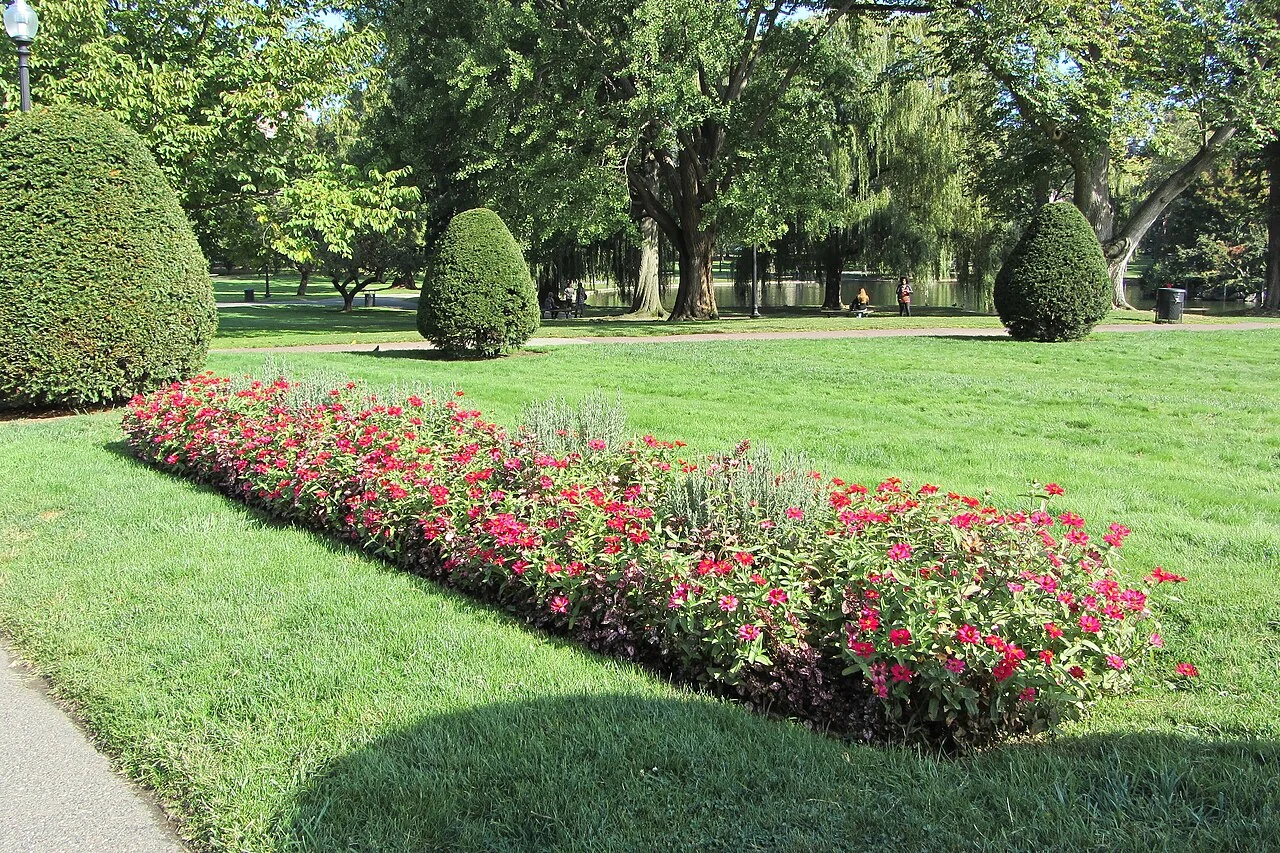
Boston Common and the Public Garden are neighboring spaces with different histories and characters. The Common has long served as a public park; the Public Garden is shaped by horticultural displays, winding paths and its lagoon. Treat them as places to spend time, rather than a shortcut with a photograph at the end. Seasonal conditions influence planting, water activity and how comfortable a long pause will be.

Sunset Sailing Cruise on a Tall Ship in Boston Harbor
If Boston is best seen from the water, then by far the best time to see it is during a sunset cruise on a classic Boston tall ship! We depart Fan Pier...

Classic Tall Ship Cruise in Boston Harbor
Come out for a day sail adventure in Boston Harbor aboard one of our classic wooden schooners, Liberty Star or Fame...

City Cruises Boston Historic Sightseeing Harbor Cruise
See the sights. Experience the history. Boston's inner and outer harbors are awash in legend and lore, not to mentio...

Boston Harbor Sunset Sail Tour
Experience a beautiful Boston Harbor sunset sail on the water and see some of the city's waterfront landmarks as the...
Choose the pause that fits your route
If your main visit is around Beacon Hill, Downtown or Back Bay, consider how the Common or Public Garden can fit before or afterward. Keep your route realistic: a path across a park still involves walking, and the nearest entrance is not always the most convenient accessible route. Check maps and local information if surface conditions, slopes or step-free access matter to your group.
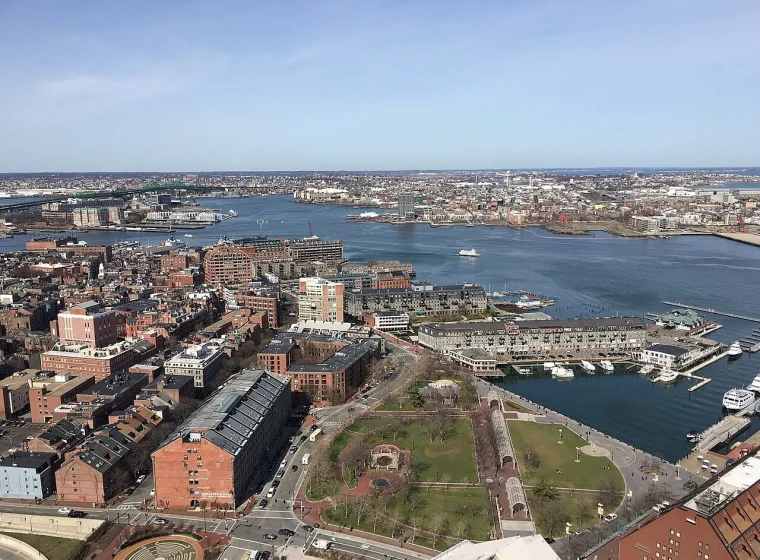
Along the harbor, public waterfront spaces provide a different outlook. Christopher Columbus Waterfront Park sits beside the North End waterfront. Other sections of the HarborWalk connect distinct stretches of the city’s edge, but they should not be treated as one uninterrupted path with uniform conditions. Construction, private boundaries and temporary changes can affect a particular section. Confirm the portion you intend to use.
| What your day needs | What to consider | What to check |
|---|---|---|
| A gentle garden pause | Public Garden paths and planting | Season, weather and access routes |
| Open space near Downtown | Boston Common | Events and the route to your next stop |
| A harbor-facing interval | A specific waterfront park or HarborWalk segment | Current public access and conditions |
Let the weather shape the plan
The waterfront can feel different from sheltered streets. Bring a layer that suits the forecast and consider wind as well as temperature. On a hot day, think about shade, water and the length of your route. In colder or wet conditions, choose a shorter outdoor interval with an indoor option nearby. Checking the current forecast is more useful than relying on a general description of Boston’s seasons.
If a harbor island visit interests you, plan it as a separate commitment. Island access depends on the actual destination and transport arrangements. Confirm the operating dates, departure point, return journey and facilities with the relevant official provider. Do not assume every island is served in the same way or that a city waterfront walk can be extended into an island visit without advance planning.
Share public space thoughtfully
- Use paths and permitted public areas.
- Keep enough room for people moving through, including mobility-device users.
- Follow posted rules for bikes, dogs and other activities.
- Take litter with you and avoid disturbing planting or wildlife.
- Give working waterfront activity the space and respect it needs.
A park is not an empty backdrop. People may be commuting, exercising, meeting friends or simply taking a break. Photographs work best when they respect that ordinary life. Avoid blocking paths or making people the subject of a close image without their agreement.
Keep the rest of the day nearby
After your outdoor pause, choose a meal or another stop you can reach comfortably. You might connect the North End with a waterfront interval, or the Public Garden with a focused Back Bay visit. Our one-day planning guide can help you trim a route, and the neighborhood guide explains how nearby areas differ.

City Cruises Salem High Speed Ferry to/from Boston
Make the most of your time in Boston or Salem, Massachusetts with this high-speed ferry service. Travel in speed and...

The Full Revolutionary Story Epic Small-Group Boston Walking Tour
This tour goes beyond surface‑level sightseeing and weaves the sites, people, and turning points of Boston’s ico...

Boston's Freedom Trail: A Revolutionary Walking Tour
Redcoats, Riots, Smugglers, Gangs, Midnight Riders, and some 92,000 pounds of tea all feature in the tales on this t...
City Cruises Boston Historic Sightseeing Harbor Cruise
See the sights. Experience the history. Boston's inner and outer harbors are awash in legend and lore, not to mention beauty. On this fully narrated 6...

Boston Harbor Sightseeing Cruise
Cruise around Boston Harbor on classic 1920s-style Yacht Northern Lights. Relax in the indoor grand salon area or ve...

Boston Harbor Sunset Cruise
Enjoy a relaxing sunset cruise in Boston Harbor which heads out to Fort Independence located on Castle Island and na...

Boston Hop-On Hop-Off Trolley Tour with 13 Stops
The Boston Hop-on Hop-off Trolley Tour - named one of the best hop-on, hop-off tours in the world by Forbes - is the...
Use Boston Parks’ Public Garden information for the garden’s background and resources. For an island trip, start with Boston Harbor Islands and verify the specific access details before you go.