
One day in Boston is enough for a satisfying introduction if you choose a focus. It is not a reason to race between every well-known attraction. Start with the experience you most want to have, then build a small group of nearby places around it. The result should feel like a day you can enjoy, with time to eat, rest and notice the city between your planned stops.
The best sequence depends on your arrival point, mobility needs, interests and any fixed booking. A museum reservation, a guided walk or a meeting with friends can anchor the plan. Begin with that commitment and work outward. If you have not booked anything, choose a neighborhood and a theme: a history-led visit, a food-and-streets afternoon, or a cultural stop followed by open air.

The Full Revolutionary Story Epic Small-Group Boston Walking Tour
This tour goes beyond surface‑level sightseeing and weaves the sites, people, and turning points of Boston’s iconic Freedom Trail into one immersi...
Use three layers
- A main visit. Choose the experience you would most regret missing.
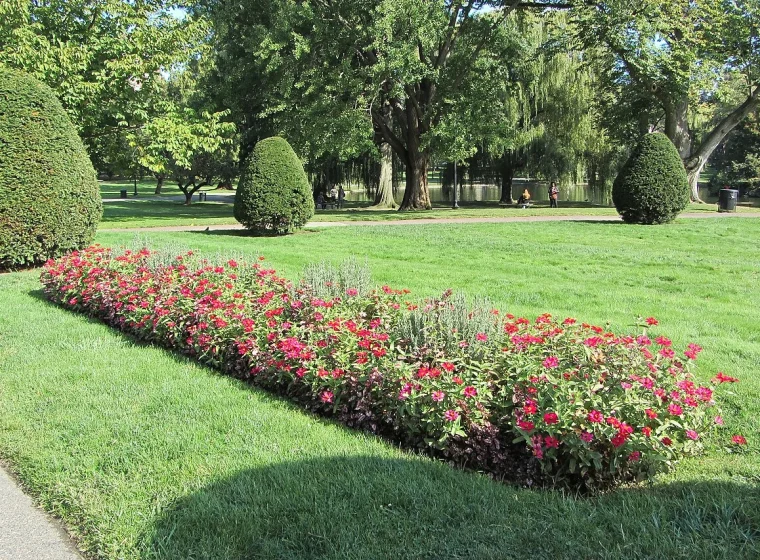
- A nearby change of pace. Add a park, waterfront stretch or short neighborhood walk.
- A practical finish. Allow time for a meal and an uncomplicated return journey.
This structure gives the day enough variety without demanding constant travel. You can make the main visit longer and the other layers shorter, or do the reverse if the weather is particularly inviting. The point is to have a shape you can adapt, rather than a timetable that becomes a source of pressure as soon as something takes longer than expected.
Check the practical details once
Before setting out, confirm the opening or departure information for each fixed stop directly with its operator. Check admission arrangements, meeting points, accessibility information and any conditions that affect your group. A third-party description can help you compare options, but the current booking terms and official venue guidance should decide whether the visit works for you.
- Save the actual entrance or meeting point, not just the attraction’s name.
- Check the route between stops and allow time for crossings and connections.
- Look up a meal option that suits your needs, with a backup nearby.
- Choose an indoor alternative if the outdoor part depends on good weather.
- Leave a margin before a train, flight or other fixed departure.
Treat transport as part of the day
Walking can help you understand the city’s transitions, but it is not always the right choice for the whole route. Transit can make a longer connection practical. Use the MBTA trip planner and current service information for your actual journey. Do not build a plan around an assumed fare, frequency or uninterrupted service. Those details change, and individual access requirements can affect the best route.
If you arrive with luggage, decide where it will be kept before planning a lengthy walk. Confirm arrangements with your accommodation or a legitimate storage service. Keep valuables secure and bring only what you need for the day. A lighter, simpler plan gives you more freedom to adjust when an interesting stop takes longer than you expected.
Make room for a better discovery
You may find a gallery, a public space or a small business that deserves more time. A flexible itinerary lets you change course without losing the whole day. Decide in advance which item is optional. If you need to remove something, drop that item cleanly instead of shortening every stop until none feels worthwhile.
A good itinerary makes choices easier. It does not need to fill every available minute.
If you would like more historical or cultural context, compare real Boston tours and read what each experience includes. Check the start and finish locations, walking requirements and cancellation terms. A guided visit can provide the day’s central experience, with the remaining time kept deliberately open.
A useful final check

Tour of Historic Fenway Park, America's Most Beloved Ballpark
Visit the most historic and oldest ballpark in MLB. Fenway Park, also known as "America's Most Beloved Ballpark" is...

Sightseeing Day Sail around Boston Harbor
Choose between either a 1.5 or 2-hour sail around Boston Harbor aboard one of our beautiful schooner Adirondack sail...

Boston Ghosts and Gravestones Trolley Tour
Join other adventure seekers and become an apprentice grave digger on an entertaining tour through the darker side o...
The Full Revolutionary Story Epic Small-Group Boston Walking Tour
This tour goes beyond surface‑level sightseeing and weaves the sites, people, and turning points of Boston’s iconic Freedom Trail into one immersi...
Before leaving, ask whether the plan still works if one visit runs long or the weather changes. If the answer is no, remove a stop. Our neighborhood orientation can help you group places, while parks and waterfront ideas offer a quieter interval. The aim is to come away with a clear impression of a few places and a reason to return.