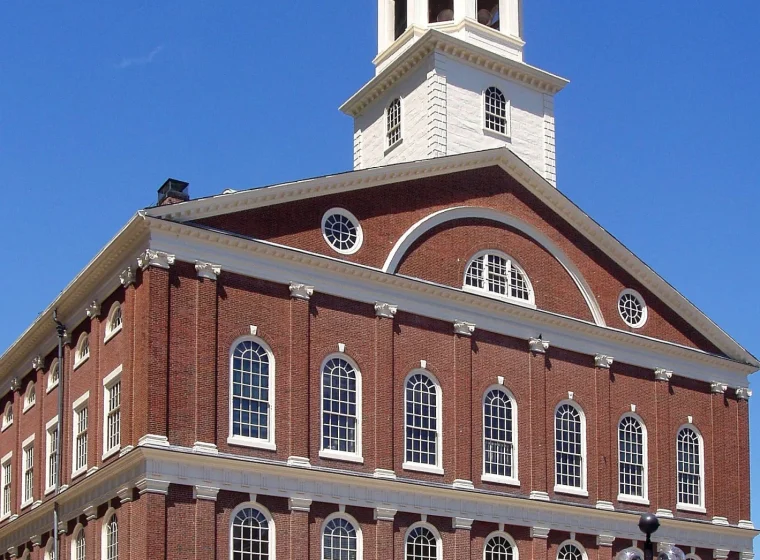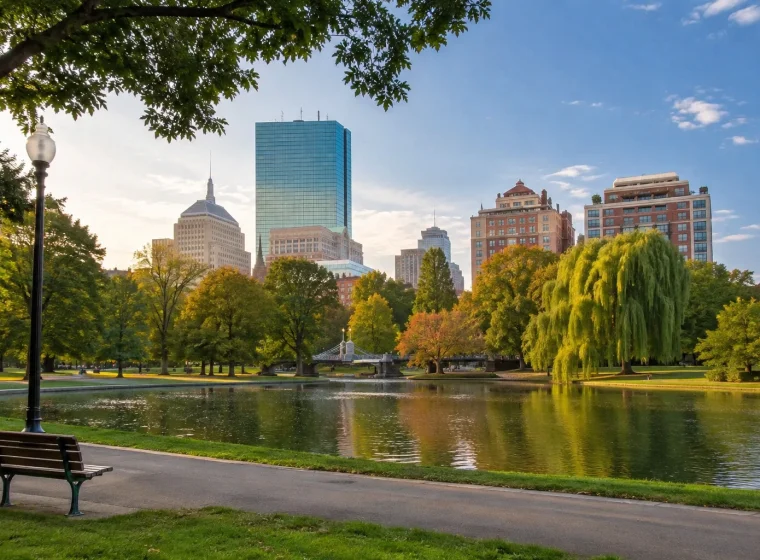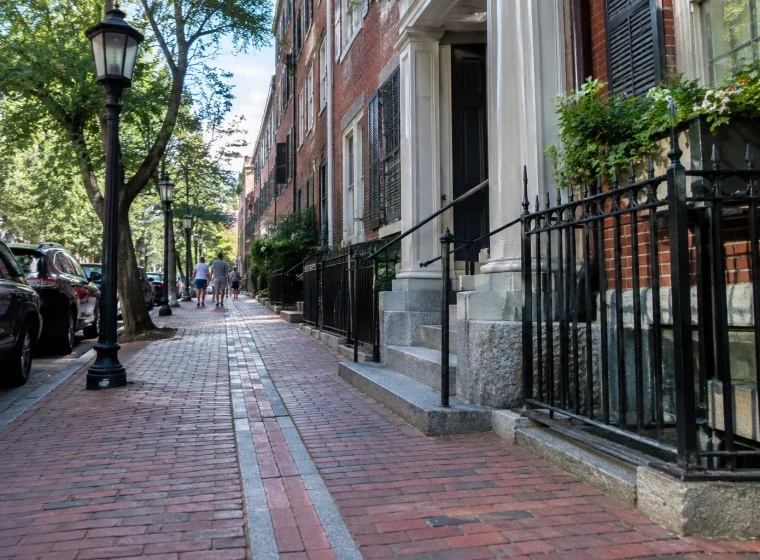

A week in Boston gives you time to explore the historic center without trying to fit every landmark into one long day. This itinerary groups nearby areas together, then leaves room for museums, Cambridge, the waterfront, and neighborhoods beyond downtown. Treat the days as a flexible sequence: historic-site schedules vary, and your best order depends on the dates of your visit and what you most want to see.
- Give the Freedom Trail and downtown a dedicated day, with time for selected stops rather than every site.
- Group the North End and Charlestown on another day, and check historic-site schedules before choosing the date.
- Leave separate days for museums, Cambridge, the waterfront, and other neighborhoods.
- Use public transit and walking for city travel, and check current MBTA service and fares before setting your plans.
- Build in time to rest: the Freedom Trail is 2.5 miles, and its uneven sections and stairs make a slower pace sensible for many visitors.
How to organize a week in Boston
Boston works well as a neighborhood-by-neighborhood trip. Start with the historic core, then move between areas instead of crossing the city repeatedly. A first-visit orientation to Boston neighborhoods can help you choose which areas deserve more time, while a guide to where to stay in Boston can help match your base to the places on this itinerary. If you have less time, use the same approach to plan one good day in Boston.

Self-Guided Boston Freedom Trail Walking Audio Tour
Download GuideAlong’s self-guided audio walking tour of Boston’s Freedom Trail and uncover the birthplace of the American Revolution. Step back in...

Boston Freedom Trail Walking Tour: Revolutionary History
Walk through the heart of historic Boston with a local guide who brings the American Revolution to life through the...

Boston Freedom Trail Walking Tour with Costumed Guide
The Tour of The Freedom Trail by the Histrionic Academy is the best way to see and learn about Boston's inspiring hi...

Private Boston Freedom Trail Walking Tour
Hire a private tour guide for your 90-minute walking tour of the Freedom Trail. Take your time, and ask any questio...
The order below is a framework, not a fixed schedule. Check opening information for each historic site before assigning it to a particular weekday. Several sites, including the USS Constitution and Bunker Hill Monument, have Monday or Tuesday closures listed by the National Park Service; some locations also use off-season hours from October. Move days around to fit the dates of your trip.
Day 1: Walk the Freedom Trail and explore downtown
Set aside your first full day for the Freedom Trail and downtown. The trail is 2.5 miles long and free to walk. Walking it without stops takes about 1.5 hours, but that is only the route itself. Time inside historic sites, pauses for a meal, and breaks along the way can turn it into a much longer outing.
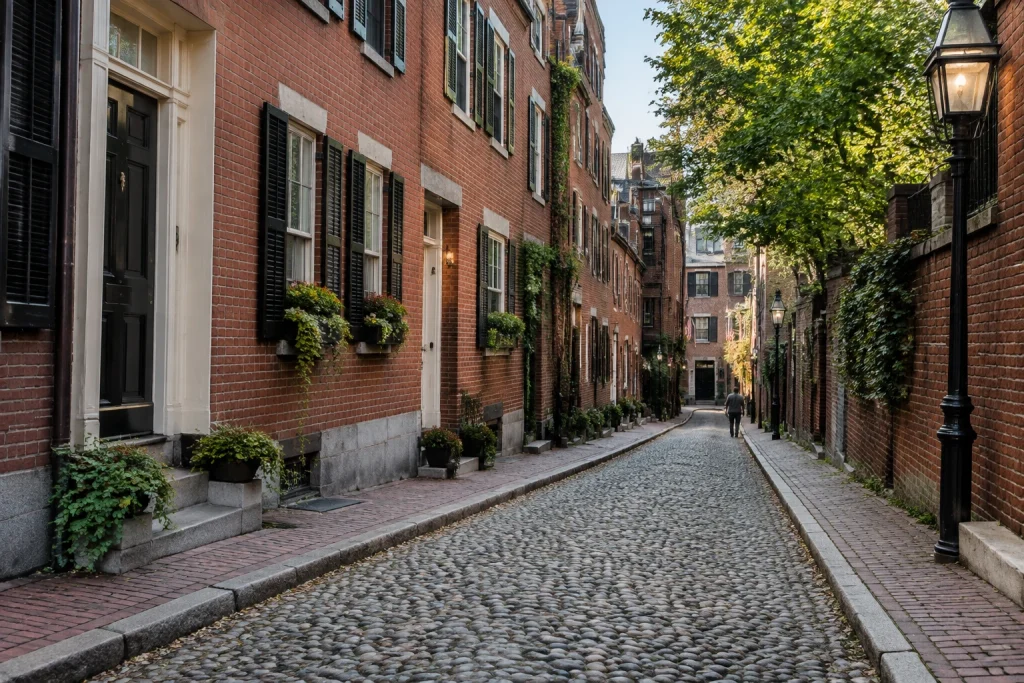
Choose a handful of stops that interest you instead of trying to enter every attraction. Allow roughly 20 to 40 minutes for each site you plan to visit, and remember that some charge admission even though the trail walk is free. A selective plan leaves room to absorb the setting and avoids turning a history-rich day into a race between doorways.
Historic sidewalks can be narrow or uneven, and some sections or sites involve stairs. Wear comfortable shoes and plan a route that fits your mobility needs. Before the day, check access information for the individual sites you want to enter; accessibility varies across the route, so do not assume every stop is step-free.
Day 2: Pair the North End with Charlestown
Use the second day for the North End and Charlestown, following the itinerary’s neighborhood-based rhythm. Keep the schedule open enough to explore at an unhurried pace and take a proper meal break. If the USS Constitution or Bunker Hill Monument is on your list, check its schedule first and shift this day if it falls on a listed closure day.
The Bunker Hill Monument climb is a substantial undertaking: reaching the top requires 294 steps. Make that choice based on your energy, mobility, and interest rather than treating it as an obligatory stop. Site access can vary, so check the details for the places you plan to visit and keep another neighborhood walk or a slower afternoon as an alternative.
Day 3: Choose a museum day
Reserve the third day for museums and cultural stops that match your interests. Pick one main visit, then add a second only if its location and schedule make the day comfortable. This leaves time to pause rather than moving through collections at speed. Check current opening information and admission details for each place you select, since the right plan depends on the specific venues.
If history is your priority, use this day to follow up on a theme that caught your attention on the trail. If art, science, or another subject is a better fit, make that the focus instead. Boston’s museums work best as a considered choice within the week, not as a checklist you need to clear before moving on.
Day 4: Spend a day in Cambridge
Give Cambridge its own day rather than squeezing it between downtown stops. Choose one or two places to visit, leave time for a meal, and use transit or walking to connect the parts of your plan. The MBTA provides trip planning for subway, bus, commuter-rail, and ferry services; check current routes and service conditions when deciding how to travel.
This is a good day to slow the pace if the first few days have involved a lot of walking. A shorter list can leave more room to notice the streets and surroundings instead of watching the clock. For an especially full itinerary, keep one planned stop in reserve rather than booking the day so tightly that a delayed connection or longer visit disrupts everything.

Private 1.5-Hour Freedom Trail Walking Tour with Costumed Guide
A 90-minute walking tour of the Freedom Trail that covers the first 11 historic sites. It starts in Boston Common at...

Boston: Freedom Trail History Small Group Walking Tour
Boston's principal role in launching the American Revolution is linked by the brick-lined Freedom Trail. This world-...

Guided Walking Tour of Copley Square to Downtown Boston Freedom Trail
Enjoy the vibrant atmosphere of Boston on this guided, 2-hour walking tour. Includes the History, Architecture and C...
Day 5: Make room for parks and the waterfront
Set aside a day for Boston’s waterfront and outdoor spaces, with a flexible plan that can stretch or shrink with your energy. A guide to Boston parks and the waterfront can help you decide how much open-air time to build in. Keep the schedule light enough for a long pause, and avoid stacking several distant stops into the same day.
This day also gives you room to revisit a place you passed too quickly earlier in the week. Boston National Historical Park is fee-free, and the Freedom Trail itself costs nothing to walk, but admission charges can apply at partner sites. Keep the distinction clear when planning: free outdoor walking does not mean every attraction along a route is free to enter.
Day 6: Explore another Boston neighborhood
Choose one neighborhood you have not yet explored and give it a slower day. Beacon Hill is one possible focus; our guide to Beacon Hill beyond the postcard centers on the neighborhood’s Black history. You can also use this day to follow a personal interest, revisit a favorite area, or simply leave more time between stops.
Avoid making this a catch-all day for every attraction left on your list. Pick a main area, check any venue schedule that matters to your plan, and leave the rest for another visit. That small amount of restraint makes a week feel more like time spent in a city and less like a series of timed arrivals.
Day 7: Keep a flexible final day
Use the final day for a favorite repeat, a missed museum, or a neighborhood that deserves more time. Leave part of the day unscheduled so you can adjust for a venue’s operating calendar or a change in your energy. If you have an early departure, keep the final plan close to your accommodation and avoid adding a complicated cross-city trip.

A flexible day is especially useful if the historic sites are not open on the dates that best suit the rest of your itinerary. Check National Park Service updates for the actual visit, since schedules and temporary notices can change. Then decide whether to swap days, choose a different site, or take an easier day outdoors.
Getting around Boston and planning practical details
Walking and public transit suit a sightseeing plan built around Boston neighborhoods. For Logan Airport, a free on-airport shuttle connects the terminals with Airport Station on the MBTA Blue Line, among other stops. For trips around the city and beyond, use current MBTA trip-planning information to check the right service and any changes before setting out.
Think carefully before renting a car for city sightseeing. Boston streets can be narrow and busy, some are one-way, and some areas have resident-only parking. If you do drive, plan routes and parking before setting out; otherwise, compare transit, walking, and rideshare for the days on your itinerary. Check current transit fares separately when setting your budget.
For the Freedom Trail, distinguish the walk from the attractions along it when estimating time and cost. The route is free, but some sites charge admission, and each visit can add 20 to 40 minutes. A full-week budget also depends on current prices for lodging, meals, transit, and any ticketed attractions, so estimate those items individually rather than relying on a single general figure.
Plan historic-site visits around the specific opening calendar, not a single assumed set of hours for the whole trail. Some National Park Service locations have Monday or Tuesday closures, and some use off-season schedules from October. Check the details for your chosen sites before you lock in each day, especially if your trip falls in a season when hours change.
For travelers with mobility needs, check access information site by site and plan alternate routes where needed. The historic route includes narrow or uneven sidewalks and stair-only sections, and the Bunker Hill Monument climb requires 294 steps. A week gives you options: choose the stops that fit your needs, and do not feel obliged to complete the entire route or enter every site.
Have a question about this guide?
Ask for tour ideas, hotel suggestions, or a simple trip plan that combines both.
Trip Helper
Is one week in Boston right for you?
A week suits travelers who want a mix of history, museums, neighborhood time, and a day outside the historic core. Its main advantage is breathing room: you can divide the Freedom Trail into a manageable visit, explore nearby areas on separate days, and still make time for Cambridge and the waterfront. If a walking-heavy trip is not a good fit, keep the same area-based structure and choose shorter, accessible outings.
Self-Guided Boston Freedom Trail Walking Audio Tour
Download GuideAlong’s self-guided audio walking tour of Boston’s Freedom Trail and uncover the birthplace of the American Revolution. Step back in...

Boston Freedom Trail Self Guided Walking Tour
Discover the heart of American history with a self-guided tour along Boston's iconic Freedom Trail. This 2.5-mile...
Guided Walking Tour of Copley Square to Downtown Boston Freedom Trail
Enjoy the vibrant atmosphere of Boston on this guided, 2-hour walking tour. Includes the History, Architecture and C...

Massachusetts Self-Guided GPS Audio Tour Bundle (11 Tours)
Get the full Massachusetts experience with this combo of walking and driving tours around Boston! You’ll find ten...
Frequently asked questions
Frequently asked questions
Is one week enough time to visit Boston?
Yes, one week gives you time to explore the historic center, museums, Cambridge, the waterfront, and several neighborhoods at a measured pace. Choose a few priorities each day rather than trying to visit every attraction.
How long does it take to walk the Freedom Trail?
Walking the 2.5-mile route without stops takes about 1.5 hours. Allow extra time for attractions, since each site visit can add roughly 20 to 40 minutes, and some sites charge admission.
Is the Freedom Trail free?
Walking the Freedom Trail is free. Some attractions along the route charge admission, so check the costs for the particular sites you plan to enter.
Can you visit the Freedom Trail with limited mobility?
Access varies by section and site. The route includes narrow or uneven sidewalks and stair-only areas, so check accessibility details for each stop and plan an alternate route if needed.
Is it convenient to drive around Boston?
Driving can be challenging in the city because streets can be narrow and busy, some are one-way, and some areas have resident-only parking. Compare driving with walking and public transit, and plan parking before you go.
How should I get from Logan Airport to Boston?
Logan’s free on-airport shuttle connects terminals with Airport Station on the MBTA Blue Line, among other stops. Check current transit information for your onward route and service conditions.
Experiences to explore
 Explore experience ↗
e-Scavenger hunt Boston: Explore the city at your own pace
◷ 3 hr–4 hr
Go on a discovery tour of Boston. Discover the most important and famous locations of the city. Search for the city's treasures with yo
See dates for Current pricing
View dates Explore experience ↗
Boston Restaurant Week
◷ 2 hr–4 hr
If you are In the City and Looking To Enjoy a Great Evening, Allow The Chiefton Group to Be Your Chaperon! Enjoy the Scenic Ride To and
See dates for Current pricing
View dates Explore experience ↗
Boston Revolutionary War: At your own pace. An audiovisual walking tour.
◷ 2 hr–3 hr
Discover Boston: Revolutionary War with Welcome Walks - digital walking tours for the modern traveler. Our custom-designed tours give y
See dates for Current pricing
View dates